.png)
Fun Learning Activities for Kids: Engaging Hands-On Learning Activities for Kids
Learning is most effective when children are actively involved. Kids absorb information better when they can touch, explore, and experiment. This is why fun learning activities for kids that involve physical interaction and creativity are so valuable. They not only make education enjoyable but also help develop critical thinking, problem-solving, and motor skills.
Why Fun Learning Activities for Kids Matter
Children have short attention spans and learn best when they are engaged. Fun learning activities for kids provide a break from traditional classroom methods and encourage curiosity. These activities:
Stimulate multiple senses, making learning memorable.
Encourage collaboration and communication.
Build confidence through hands-on success.
Help children understand abstract concepts by making them tangible.
For example, a simple science experiment like making a volcano erupt with baking soda and vinegar can teach chemical reactions in a way that a textbook cannot. Similarly, building a birdhouse can introduce concepts of measurement, geometry, and biology.
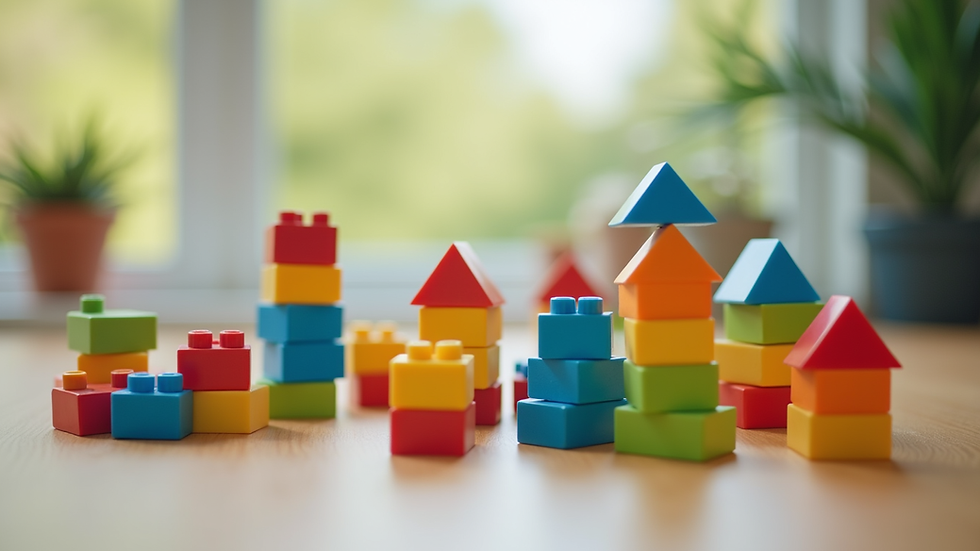
Creative and Educational Fun Learning Activities for Kids
Here are some practical ideas that combine fun and education:
1. Nature Scavenger Hunt
Create a list of natural items for kids to find in a park or backyard. Items can include leaves of different shapes, rocks, flowers, or insects. This activity promotes observation skills and teaches children about biodiversity.
How to do it:
Prepare a checklist with pictures for younger kids.
Encourage kids to collect or photograph the items.
Discuss each item’s role in the ecosystem.
2. DIY Science Experiments
Simple experiments can be done with household items. For example, making a rainbow with a glass of water and a flashlight teaches light refraction.
Materials needed:
Glass of water
Flashlight or sunlight
White paper
Steps:
Place the glass of water on the edge of a table.
Shine the flashlight through the water onto the paper.
Watch the colors appear and explain the science behind it.
3. Cooking Together
Cooking is a fantastic way to teach math, chemistry, and nutrition. Measuring ingredients introduces fractions and units, while mixing and heating demonstrate chemical changes.
Tips:
Choose simple recipes like cookies or smoothies.
Let kids measure and mix ingredients.
Talk about healthy food choices.
4. Art and Craft Projects
Art encourages creativity and fine motor skills. Projects like making paper masks, painting rocks, or creating collages can be both fun and educational.
Ideas:
Use recycled materials to teach about sustainability.
Incorporate themes like animals, seasons, or cultures.
Display finished projects to boost pride and motivation.
What is a hands-on learning activity?
Hands-on learning activities are educational tasks that involve active participation rather than passive listening or watching. These activities require children to physically engage with materials, tools, or experiments to understand concepts better.
For example, instead of reading about plant growth, kids can plant seeds, water them, and observe changes over time. This direct involvement helps solidify knowledge and makes learning more meaningful.
Such activities are especially effective for kinesthetic learners who grasp information best through movement and touch. They also foster creativity, problem-solving, and independent thinking.

Tips for Making Learning Activities More Engaging
To maximize the benefits of fun learning activities for kids, consider these tips:
Keep it age-appropriate: Tailor activities to the child’s developmental stage.
Encourage questions: Let kids ask and explore answers together.
Use everyday materials: This makes activities accessible and affordable.
Incorporate storytelling: Stories can add context and excitement.
Allow for creativity: Let children modify or invent their own versions.
Be patient: Learning through doing takes time and practice.
How to Integrate Hands-On Learning Activities into Daily Routine
Incorporating these activities into everyday life can be simple and rewarding. Here are some ideas:
Morning routine: Use breakfast time to talk about nutrition and measurements.
Outdoor play: Turn walks into nature discovery sessions.
Chores: Teach responsibility and skills like sorting laundry or organizing toys.
Bedtime: Read books related to the day’s activities to reinforce learning.
By making learning a natural part of daily life, children develop a lifelong love for discovery.
Encouraging Lifelong Learning Through Play
Engaging children with fun learning activities for kids builds a foundation for lifelong learning. When kids enjoy the process, they are more likely to seek knowledge independently as they grow.
Parents and educators can support this by:
Providing diverse materials and experiences.
Celebrating effort and curiosity, not just results.
Creating a safe space for trial and error.
Modeling enthusiasm for learning.
Ultimately, the goal is to nurture confident, creative, and curious individuals ready to explore the world.
By incorporating hands-on learning activities into your child’s routine, you can transform education into an exciting adventure. These activities not only teach important skills but also create lasting memories and a positive attitude toward learning. Start today and watch your child thrive!


Comments